

What Is Reflexology?
An ancient practice, worked through precise pressure on reflex points in the feet and hands.
Reflexology maps areas of the feet and hands to the rest of the body, and applies careful, sustained pressure to those points. At Relax Reflexology it is practised as a calm, whole-person treatment rather than a quick fix.
This page sets out the approach taken in the treatment room, how a session actually works, and the wellbeing it is intended to support.
Our Approach To Reflexology
The body already knows how to settle. Our work is to ask it quietly.
Reflexology rests on a simple idea: that specific reflex points on the feet and hands correspond to the rest of the body, and that careful pressure on those points encourages the body’s own healing systems to respond. Nothing is forced. The pressure is applied with intent and then released, and the body does the rest in its own time.
At Relax Reflexology, every treatment begins with listening. What has been aching, what has been keeping you awake, where the tension has gathered — these details shape the session far more than any fixed routine. Some feet want a slower, steadier contact; others respond to a firmer, more deliberate touch. Reading that difference is the craft.
What follows is unhurried, precise and quiet. We work through the reflex points with attention rather than speed, respecting the body’s wisdom and the limits it sets on any given day. Most people leave lighter in the shoulders and calmer in the head, and sleep a little better that night.
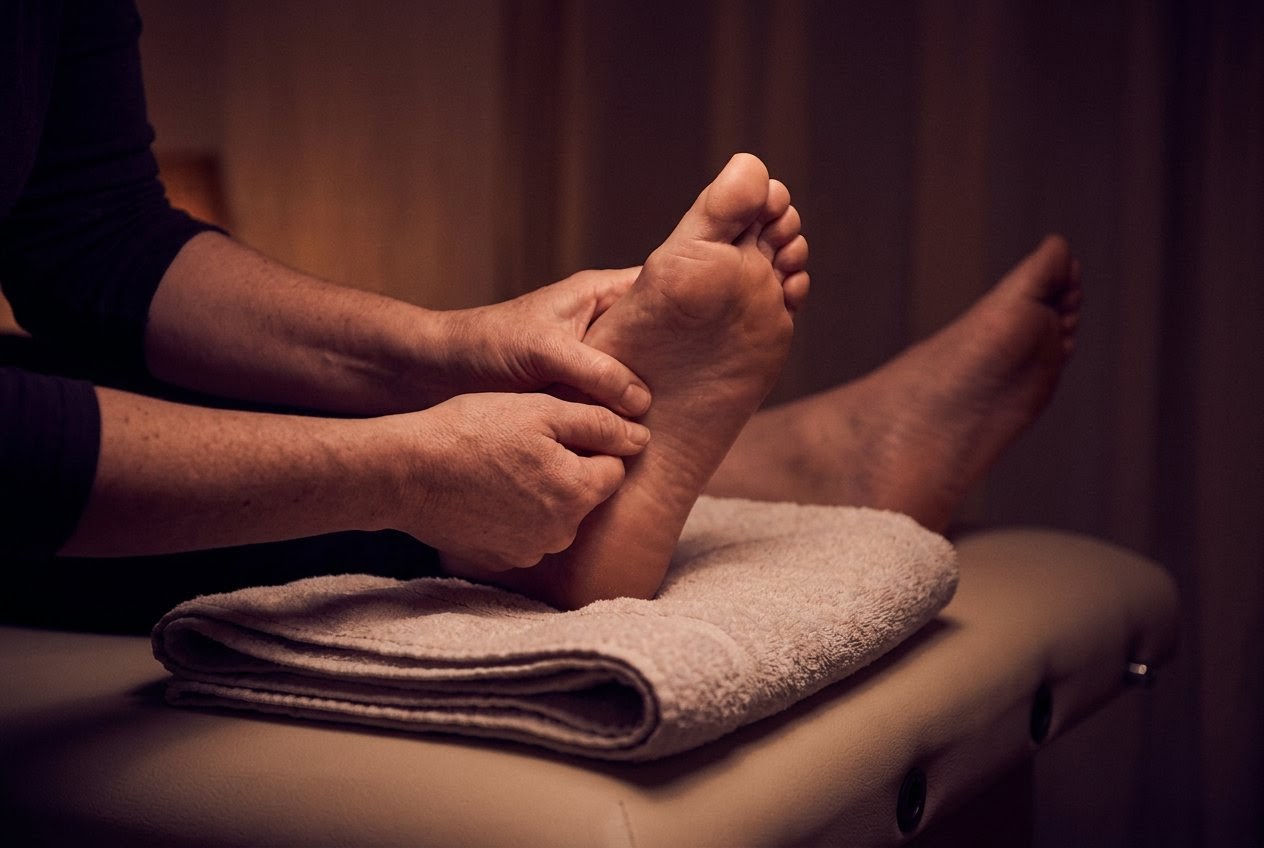

Wellbeing Benefits
What a treatment can quietly change, from the first hour onwards.
Reflexology works with the whole person rather than a single complaint, so most people notice several of these shifts together rather than one in isolation.
Deep Relaxation
Steady, measured pressure across the reflex points of the feet or hands gives the nervous system permission to step down out of alert. Most people settle within the first ten minutes and stay there for the rest of the treatment.
Better Sleep And Rest
When the body has been held in a calm state for an hour, it tends to remember the feeling that evening. Clients often report falling asleep more easily and waking less through the night in the days following a treatment.
Pain And Tension Relief
Working the reflex areas that correspond to held, aching parts of the body encourages tension to release rather than confronting the sore area directly. It suits long-standing aches and tightness that flare when life gets busy.
Stress Resilience And Vitality
Regular treatments build a reserve of calm that makes demanding weeks easier to carry, leaving energy and mood steadier in general. That sense of overall wellbeing is what brings most people back.
How Reflexology Works
The foot and the hand carry a map of the whole body, and steady pressure is the language used to read it.
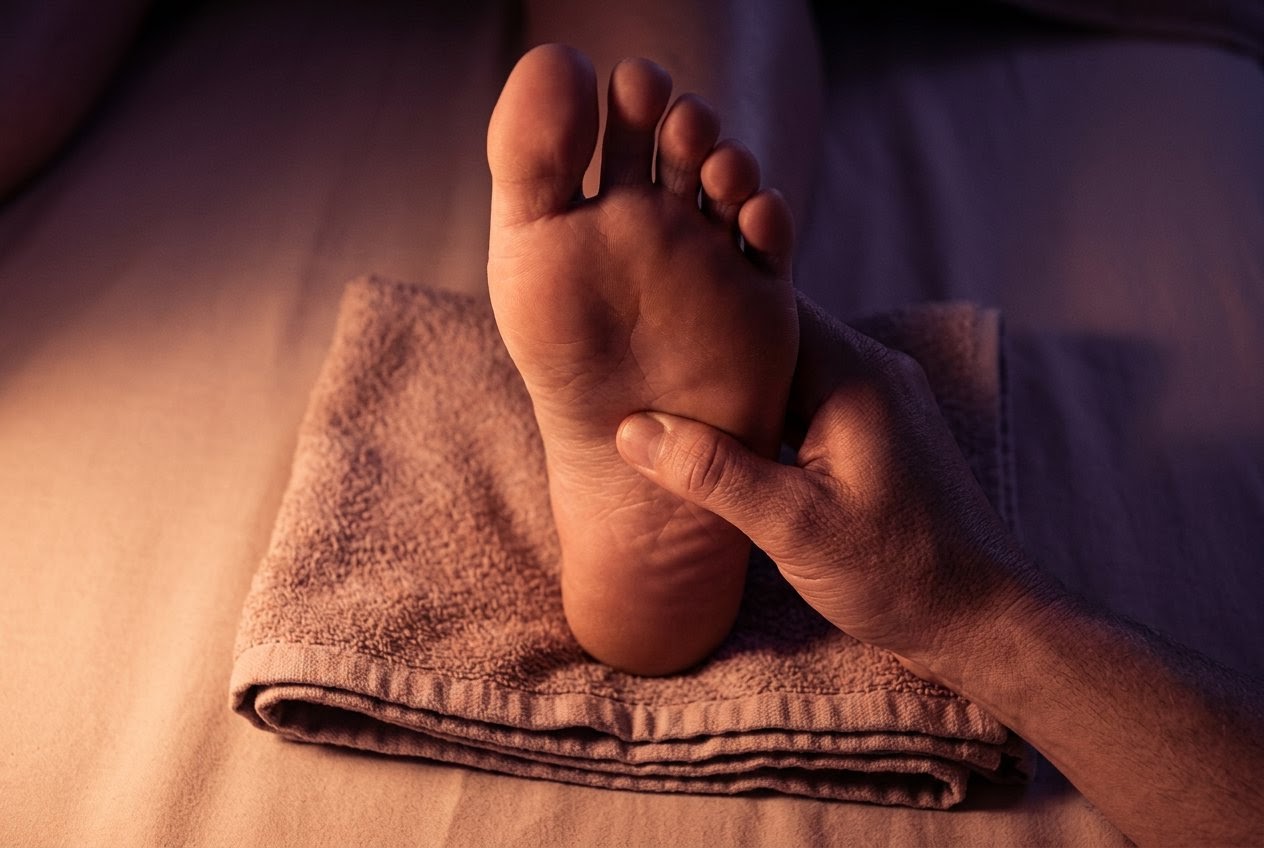
The Reflex Map
Reflexology works from the idea that the feet and hands mirror the body in miniature. The toes correspond to the head and neck, the arch to the digestive organs, the heel to the lower back and pelvis. Working point by point across that map, I use thumb and finger pressure to attend to each region in turn, so nothing is left unvisited.
Settling The Nervous System
Sustained, rhythmic pressure invites the body out of its alert state and into its rest-and-digest one. Breathing slows, shoulders drop, and the held tension of a busy week begins to release. Many people fall asleep on the couch. That shift is where the reported benefits for stress, restlessness and poor sleep tend to begin.
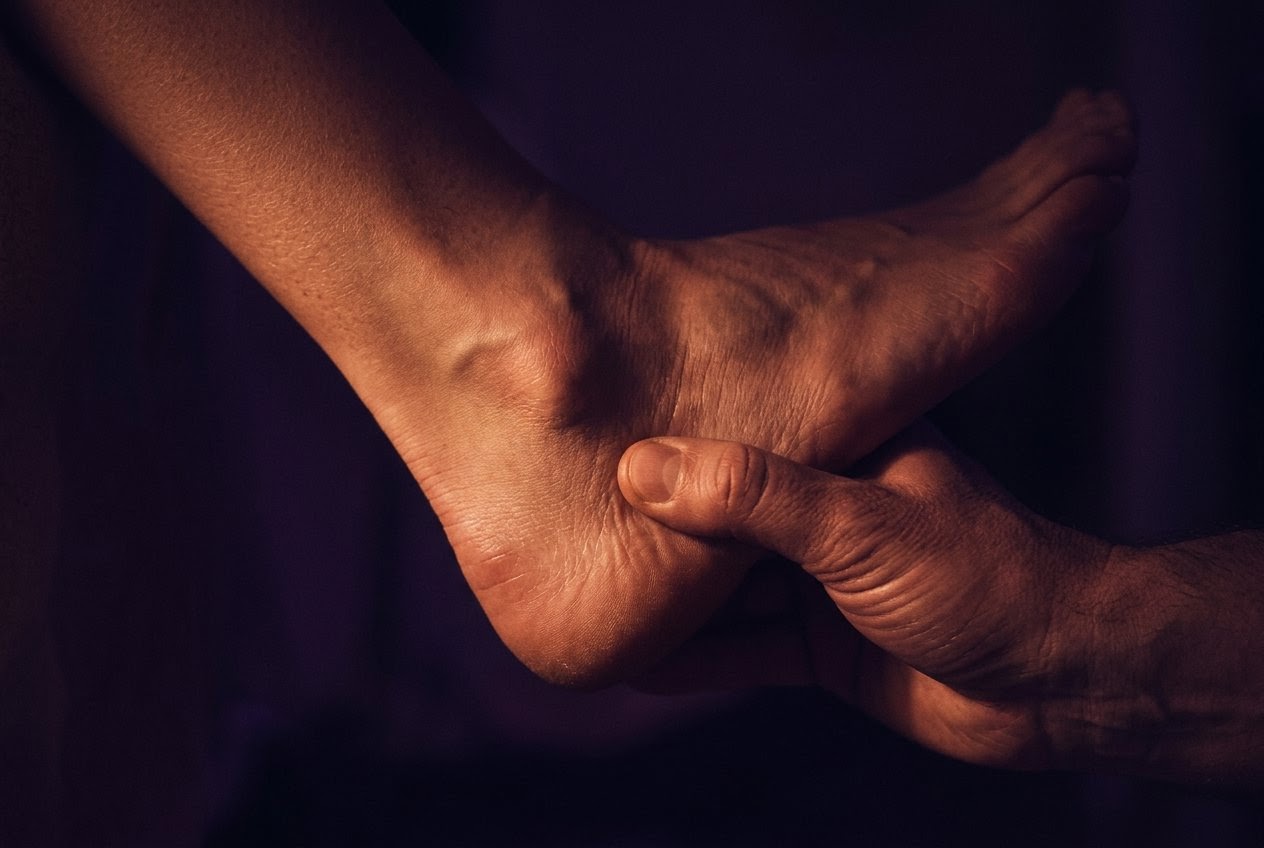
Circulation And Tissue
Feet spend their days compressed inside shoes and carrying weight. Working through the tissue warms it, encourages circulation and eases the small congestions that build along the arch and heel. Where there is long-standing discomfort, this steady attention is often what makes an area feel looser, lighter and easier to stand on afterwards.
Ready To Experience Reflexology?
Discover how reflexology can support your own wellbeing.
Relax Reflexology offers a calm, attentive space in Camelford for foot and hand treatments, with each session shaped around what your body is asking for that day.
Whether you are looking for deeper sleep, relief from everyday tension, or simply an hour of quiet, there is a treatment length to suit you.


07535400968
Relaxreflexology.co.uk